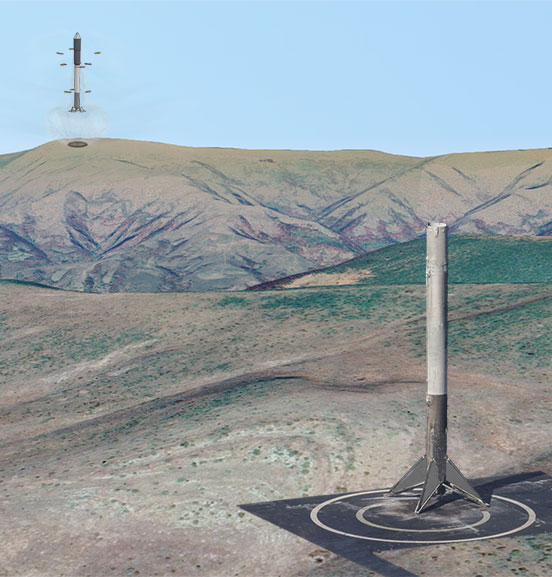
VESMIR - Integrated Launch and Energy System for Space Rockets
Development and design:
Viktor Vildović, Victor Production R&D Department
Concept:
Revolutionary space launch system combining underground infrastructure with electromagnetic propulsion
Field:
Aerospace Engineering – Space Launch Systems, Propulsion, Energy Storage and Infrastructure
Keywords:
Vesmir, maglev launch system, gravity battery, space rockets, electromagnetic propulsion, reusable boosters, cryogenic fuels, sustainable launch, cosmodrome infrastructure, space access democratization
1. Summary (Abstract)
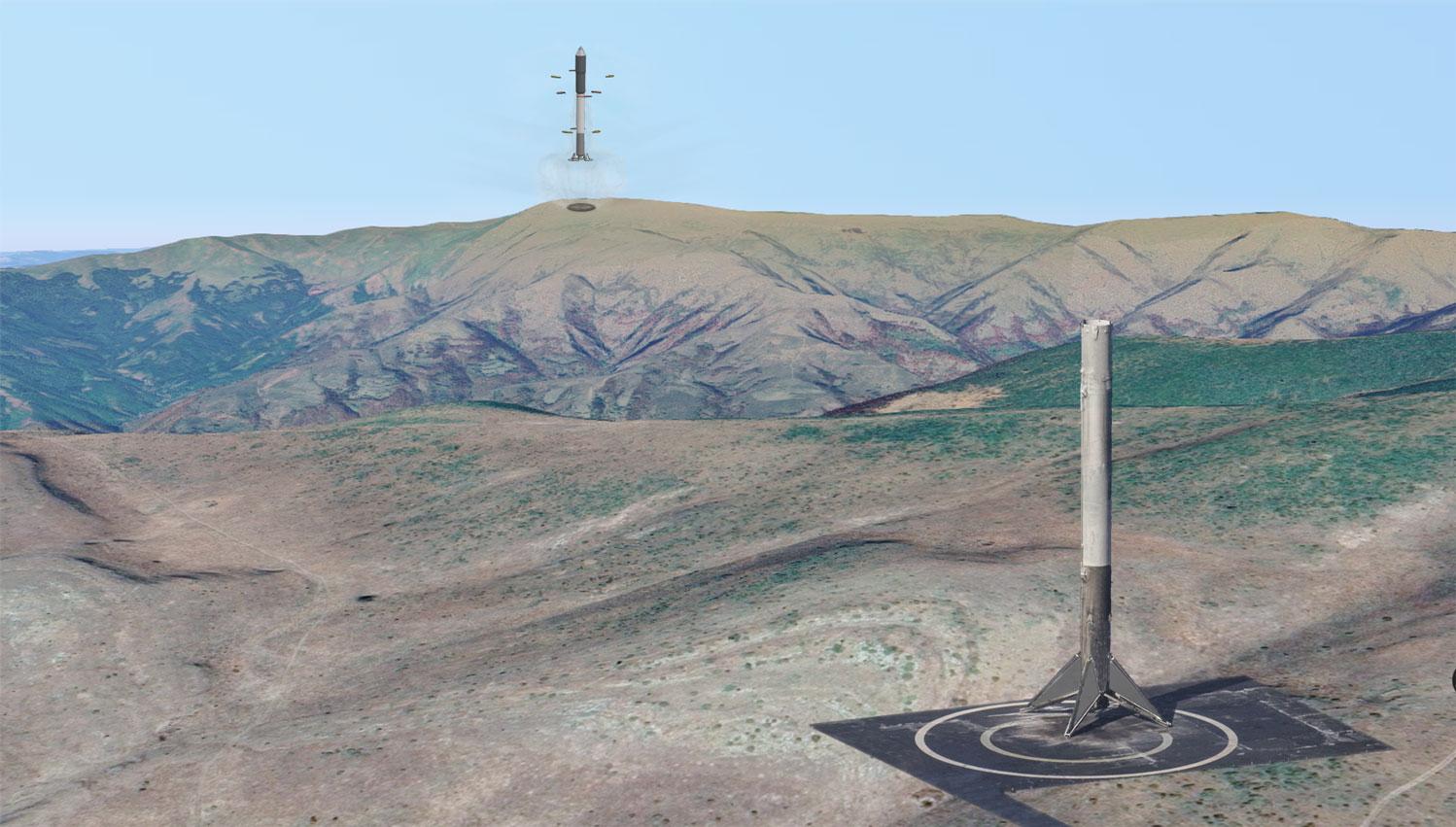
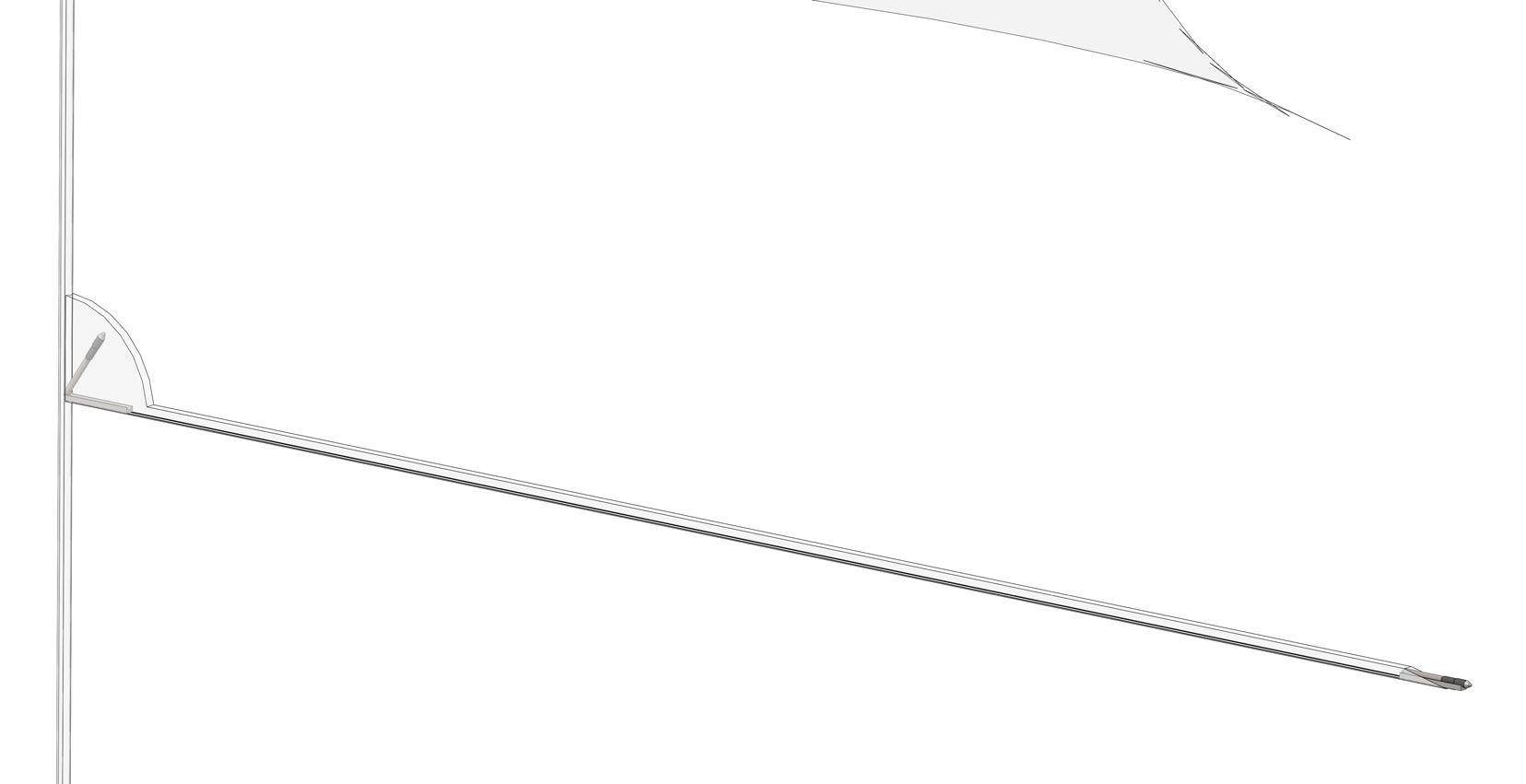
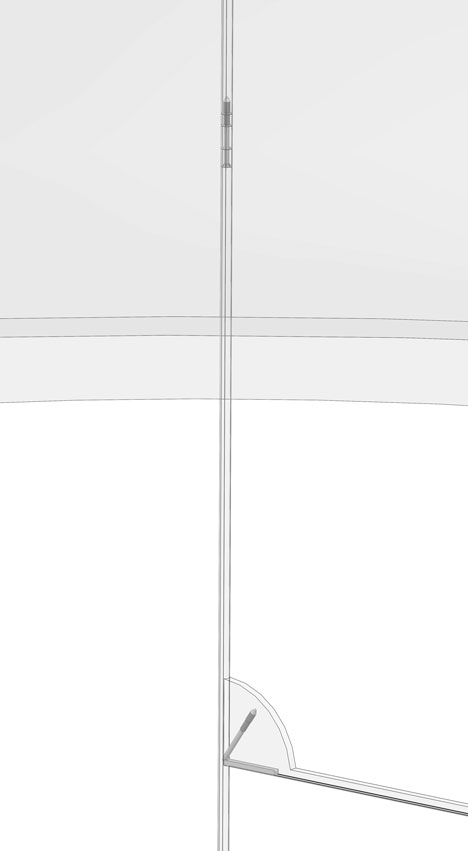
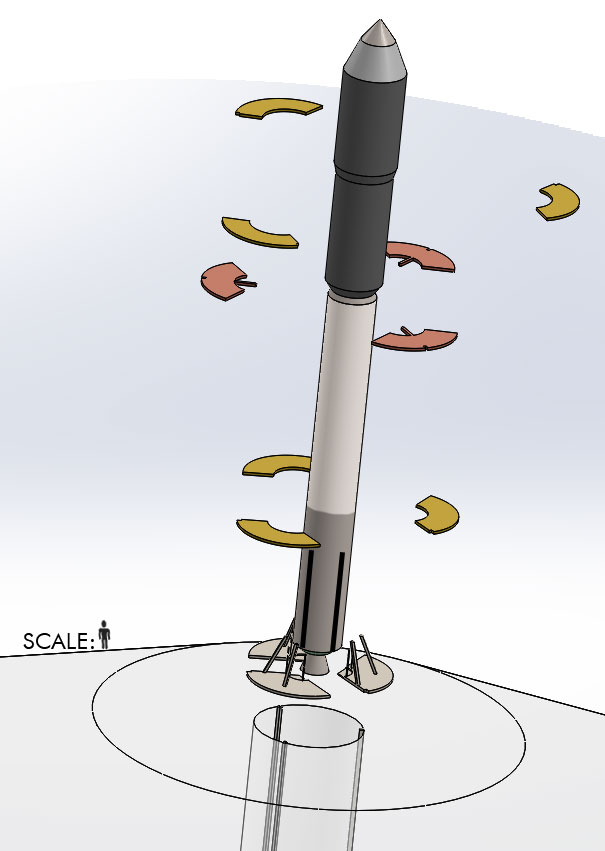
Vesmir represents a revolutionary engineering paradigm for sustainable and economical access to space. Unlike traditional rocket launch systems that rely entirely on chemical propulsion, Vesmir combines underground infrastructure with advanced electromagnetic (Maglev) technology and innovative gravity-based energy storage. The system leverages a 870-meter deep vertical launch complex with a massive subterranean hall to achieve initial acceleration of the "Vesmir Drone" – a reusable stainless steel booster equipped with liquid methane rocket engines. By converting the kinetic energy of descending weights into electrical impulses, the gravity battery eliminates the need for expensive supercapacitors. This integrated approach not only reduces launch costs dramatically but also creates a multi-functional economic hub for cryogenic fuel production, power generation, and regional energy services.
2. The Challenge: Democratizing Space Access
The traditional space launch industry faces fundamental economic constraints:
- • Extremely high launch costs per kilogram to orbit
- • Limited launch frequency due to complex ground operations and vehicle refurbishment
- • Environmental concerns from massive chemical propellant consumption
- • Geographic constraints – launch sites limited to equatorial or high-latitude regions
- • Dependence on massive, single-use hardware infrastructure
- • Economic inefficiency of current booster recovery and reuse methods
Traditional vertical launch systems also suffer from:
- • Extreme acceleration forces on payload during first-stage separation
- • Large ground-level blast radius requiring remote, expensive facilities
- • Inefficient use of available space and infrastructure
3. The Solution: Vesmir System Architecture
Vesmir addresses these challenges through an integrated multi-component system:
A. Underground Launch Complex
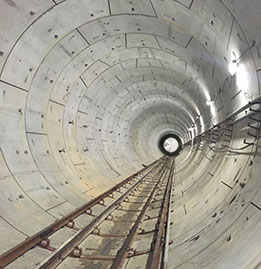
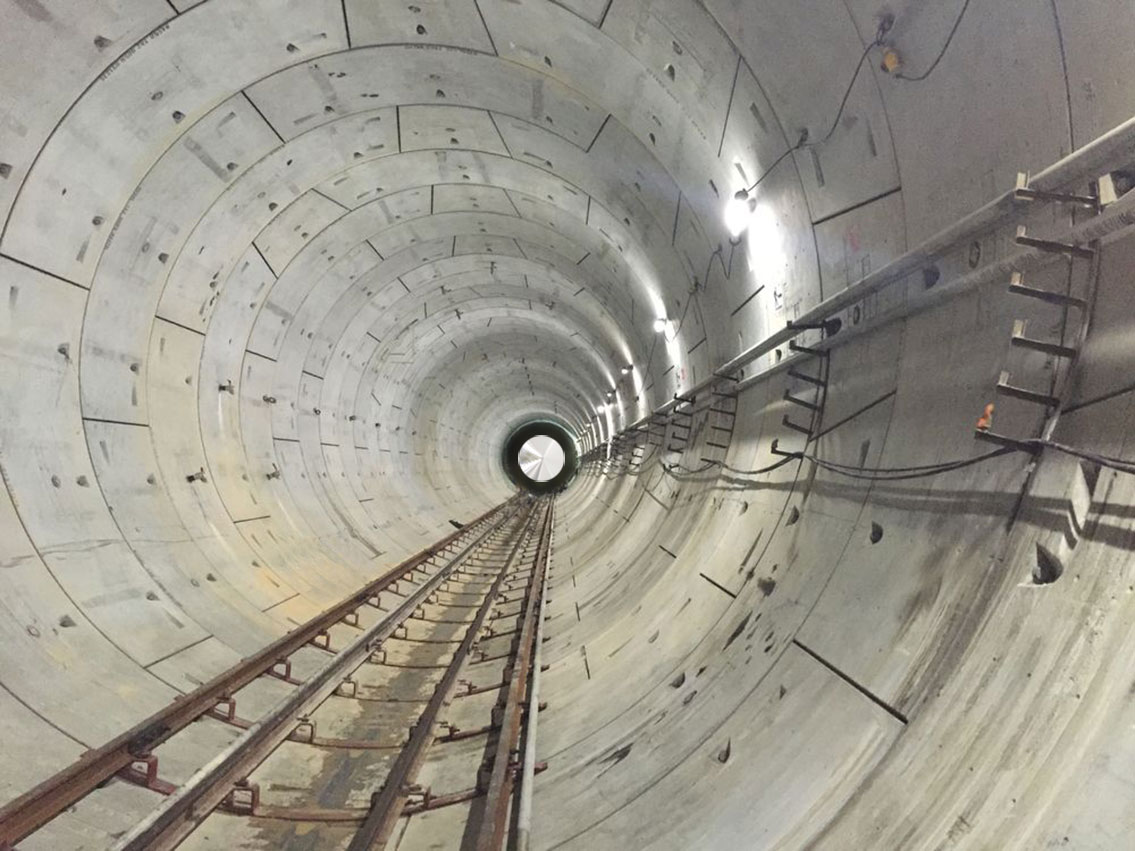
- • 870-meter deep vertical launch tunnel with controlled deceleration zones
- • Massive reinforced subterranean hall (launch chamber) designed to contain and direct propulsion forces
- • Single-use booster deployment system for safe, controlled acceleration
- • Sophisticated guidance and vehicle stabilization systems
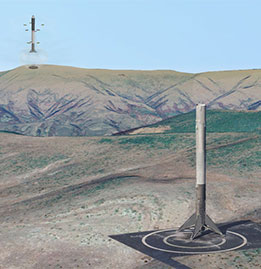
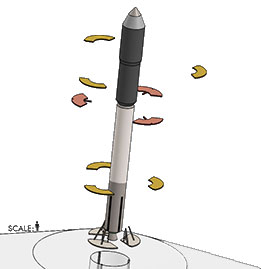
B. Vesmir Drone Booster
- • Reusable stainless steel construction for durability and thermal resistance
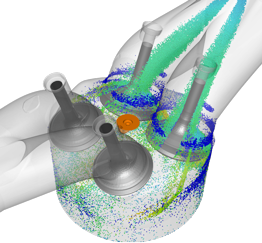
- • Six liquid methane rocket engines for primary propulsion in upper atmosphere
- • Modular design compatible with various commercial launch vehicle classes
- • Integrated autonomous guidance, navigation and control (GN&C)
- • Advanced thermal protection for atmospheric re-entry and landing
C. Gravity Battery Energy System
- • Innovative kinetic energy conversion from descending weights
- • Direct electrical impulse generation for electromagnetic launcher acceleration
- • Eliminates dependence on expensive, heavy supercapacitors
- • Regenerative system that improves efficiency with each launch cycle
- • Sustainable energy source independent of external power grid
D. Cryogenic Fuel Production Plant
- • On-site production of liquid methane and liquid oxygen
- • Integrated with hydropower and energy storage systems
- • Supplies propellant for Vesmir Drone engines and compatible launch vehicles
- • Economic hub for fuel distribution to commercial space operators
E. Trigeneration and Regional Energy Hub
- • Waste heat recovery from cryogenic processes
- • District heating solution for nearby industrial and residential zones
- • Hydropower integration for sustainable energy supply
- • Advanced water management and recycling systems
- • Grid stabilization and peak power supply capabilities
4. Technical Innovation
Electromagnetic Launch (Maglev) Technology
Unlike rail-gun systems that achieve extreme accelerations unsuitable for space hardware, Vesmir's Maglev launcher uses controlled electromagnetic pulses to accelerate the booster to optimal velocity for rocket engine ignition. The system operates in a carefully designed underground environment that:
- • Provides structural containment for launch forces
- • Enables precision guidance through the acceleration zone
- • Protects surrounding environment from blast effects
- • Allows safe booster separation from the launch infrastructure
Safe Launch Trajectories
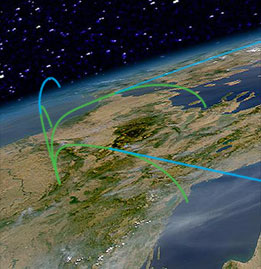
The deep underground launch eliminates traditional blast radius concerns. Booster exit trajectories are engineered for:
- • Maximum clearance from population centers
- • Optimal orbital mechanics for payload delivery
- • Booster recovery zones for safe landing
- • Environmental impact minimization
Modular Compatibility
The Vesmir Drone booster is designed for compatibility with:
- • Small satellite launch vehicles (LEO, SSO)
- • Medium-lift commercial rockets
- • Hypersonic test beds
- • High-altitude research platforms
5. Key Advantages
- 1. Dramatically Reduced Launch Costs - By using gravity battery energy and electromagnetic acceleration, propellant requirements decrease and reusable booster design amortizes development costs over hundreds of launches
- 2. High Launch Frequency - Modular booster architecture and rapid turnaround systems enable 1-2 daily launches
- 3. Environmental Sustainability - Reduced chemical propellant consumption and clean energy production align with climate goals
- 4. Unique Geographic Flexibility - Can be deployed in regions without equatorial or high-latitude constraints
- 5. Economic Ecosystem - Acts as regional energy hub, industrial complex and technology center supporting local economy
- 6. Payload Safety - Gradual electromagnetic acceleration provides lower G-forces than traditional boosters
- 7. Technology Transfer - Maglev, cryogenic, and power systems technology applicable to ground transportation and industrial applications
6. Global Context
The concept of alternative space launch systems is gaining international attention. In 2025, China announced development of a maglev-based rocket launch pad targeting operational deployment by 2028. Vesmir's design philosophy aligns with a global trend toward innovative, cost-effective space access solutions.
Vesmir was first presented to Roscosmos in 2014 and has been refined through subsequent iterations with support from European Horizon 2020 accelerators and entrepreneurship networks (Astropreneurs.eu, SpaceCom Entrepreneur Summit 2021).
7. Applications and Markets
Vesmir serves multiple market segments:
- • Commercial Space Operators - Primary launch provider for small to medium payloads
- • Government Space Agencies - National launch capability and technology demonstration
- • Scientific Research - Affordable access for Earth observation, atmospheric research, technology validation
- • Emerging Space Economies - Enables space industrialization in regions without traditional launch infrastructure
- • Regional Energy Markets - Cryogenic fuel, district heating, and power generation services
8. Development Roadmap
Phase 1: Detailed Engineering Study (Cost: €200K) - Complete technical specifications, feasibility analysis, environmental impact assessment
Phase 2: Master Plan (Cost: €1M) - Comprehensive design documentation, construction strategy, funding model, regulatory framework
Phase 3: Construction and Commissioning (Estimated Budget: €3-5B) - Full infrastructure development with expected Return on Investment within 10 years of operation
9. Vision for the Future
Vesmir represents a paradigm shift in how humanity accesses space. By combining deep technology innovation with sustainable regional development, the project demonstrates that space launch need not remain the exclusive domain of wealthy nations and mega-corporations. The integration of ground-based energy systems with space infrastructure creates a model for 21st-century aerospace engineering that is economically viable, environmentally responsible, and accessible to emerging space nations.
10. Collaboration Opportunities
Victor Production seeks partnerships with:
- • Space agencies and government space programs
- • Commercial space operators and launch service providers
- • Energy companies and regional development authorities
- • Engineering firms specializing in aerospace, civil, and electrical systems
- • Academic and research institutions
Schedule engineering consultations for collaborative development of Vesmir or related space infrastructure projects